



UTokyo Hosts Global Navigation Board 2025 Annual Meeting
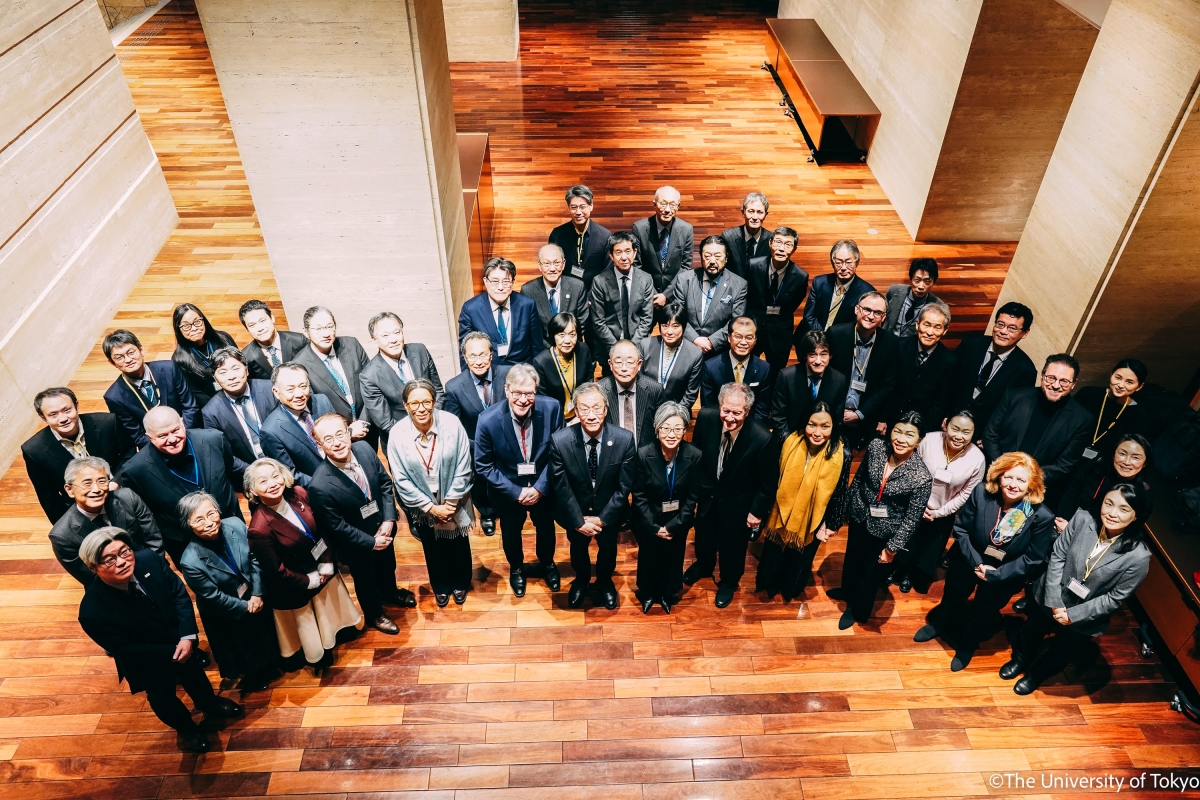
On February 20, the University of Tokyo convened the Annual Meeting of its Global Navigation Board (GNB). The GNB comprises globally renowned experts, appointed by President Teruo Fujii, from a wide range of fields, including higher education, venture capital, educational technology, and nonprofits. The board provides insights and advice aligned with the university’s overarching vision outlined in UTokyo Compass.
This year, the full‑day meeting was held under the theme “Designing the Future of Learning: How UTokyo Can Meet the Challenges of a Changing World.” GNB members, university executives, and the deans of all graduate schools and faculties engaged in in‑depth discussions on the future of learning in the Intelligent Age—an era in which society evolves with AI.
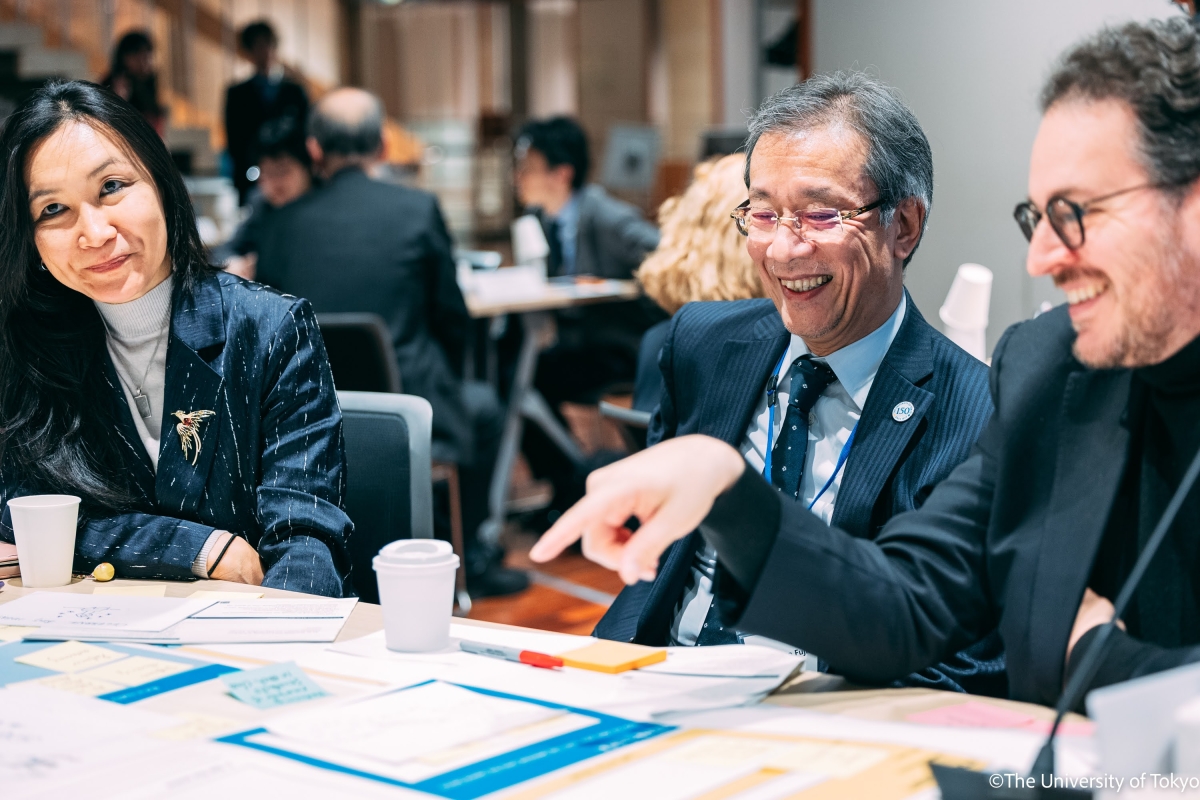
Participants also joined a design thinking workshop on this year’s theme. Beginning with reflections on the current situation faced by students and faculty, the workshop deepened understanding of the talents UTokyo should cultivate in its future graduates and how the university’s education and learning should evolve.
The participants shared a common view that the goal of education should be to cultivate individuals who can think, make decisions, and create value with the effective use of AI as a given, while also possessing strong critical thinking skills, a solid ethical foundation, and a sense of social responsibility. Such individuals should be capable of generating solutions to complex and uncertain global challenges through systems thinking and collaboration. In addition, resilience in the face of change and an entrepreneurial mindset that transcends conventional boundaries were identified as essential qualities.
To achieve this vision, it was emphasized that education should shift away from a model centered on large-scale lectures toward learning experiences that are more interactive, practice-oriented, and conducted in smaller, face-to-face settings. Students should engage in assignments and projects that incorporate the use of AI both inside and outside the classroom.
Beyond the acquisition of knowledge, cultivating mindsets, values, and essential skills was highlighted as a key foundation of education. Faculty members are expected to serve as facilitators and coaches who support students throughout their learning journeys, while education itself should be closely connected to industry and real-world challenges.
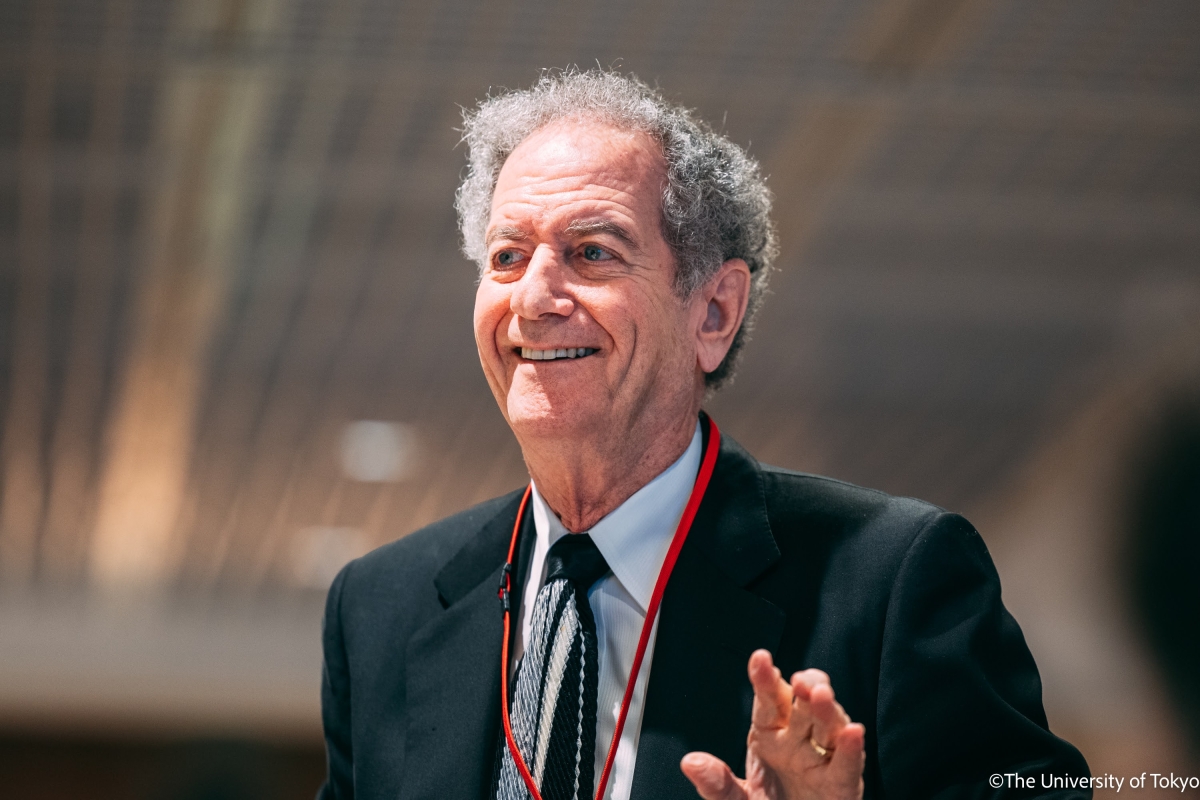
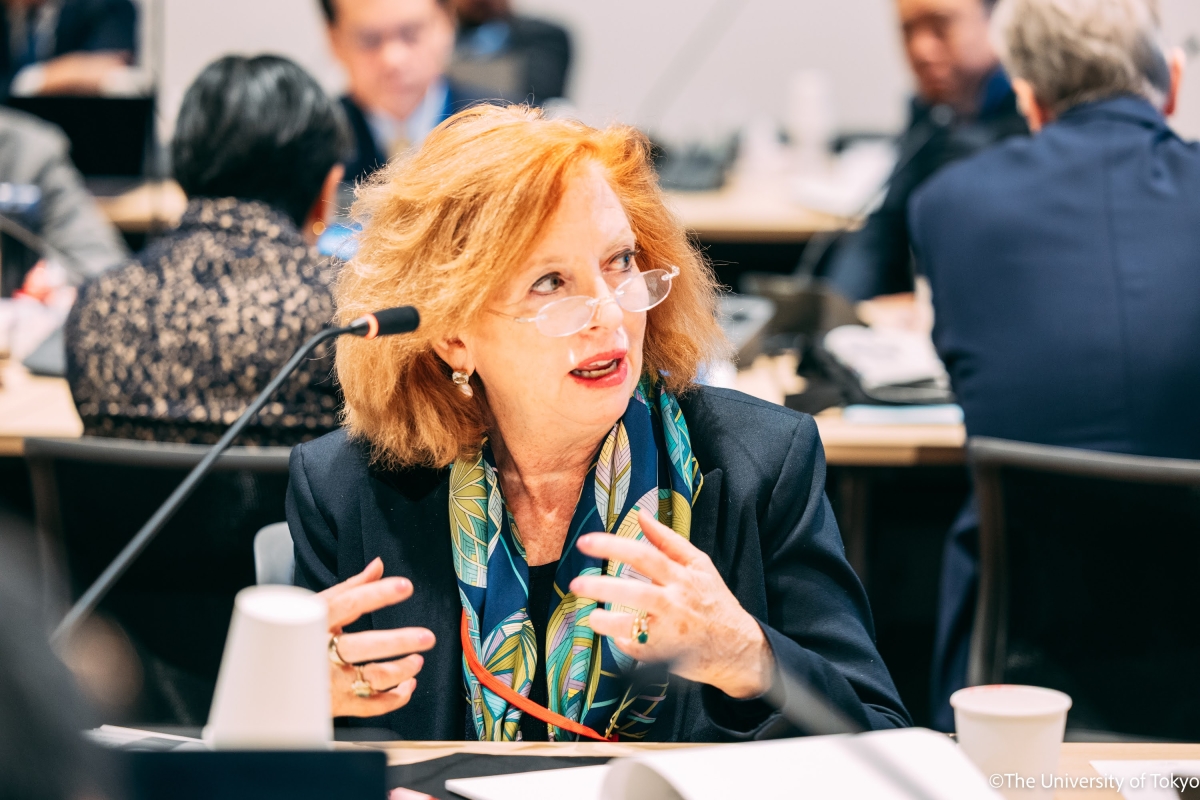

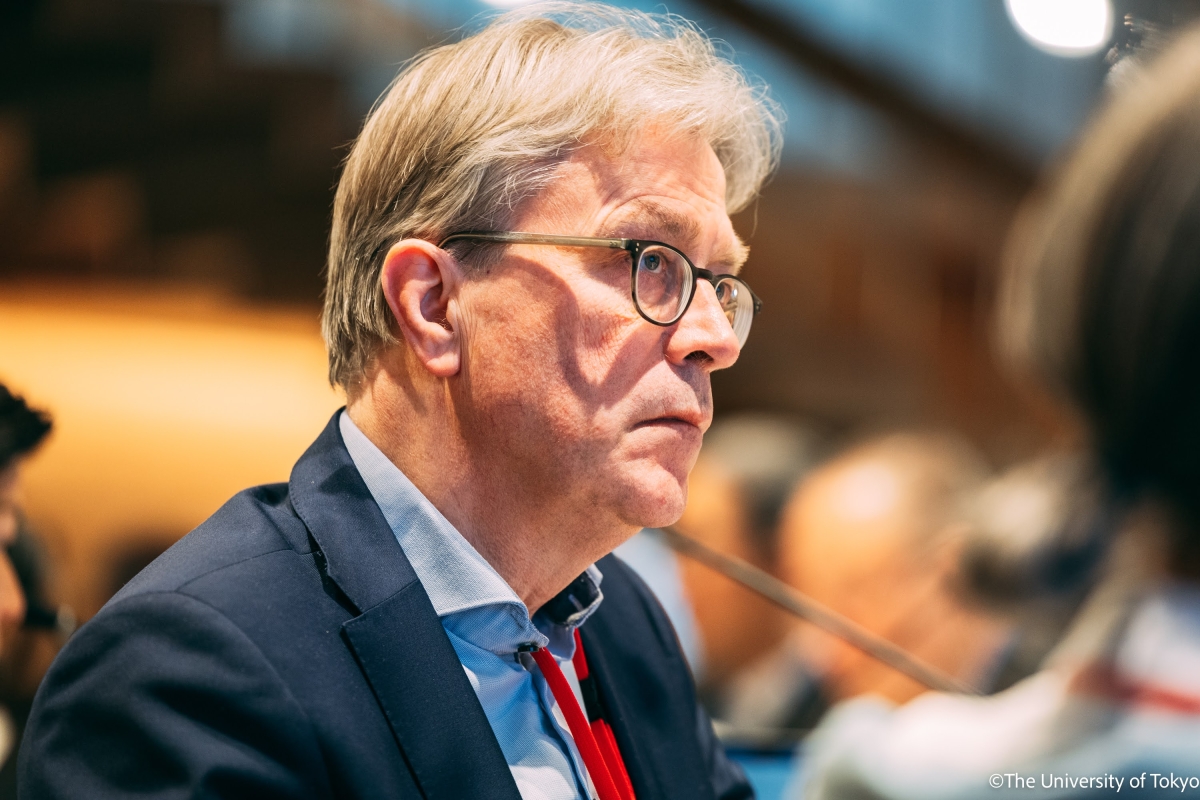
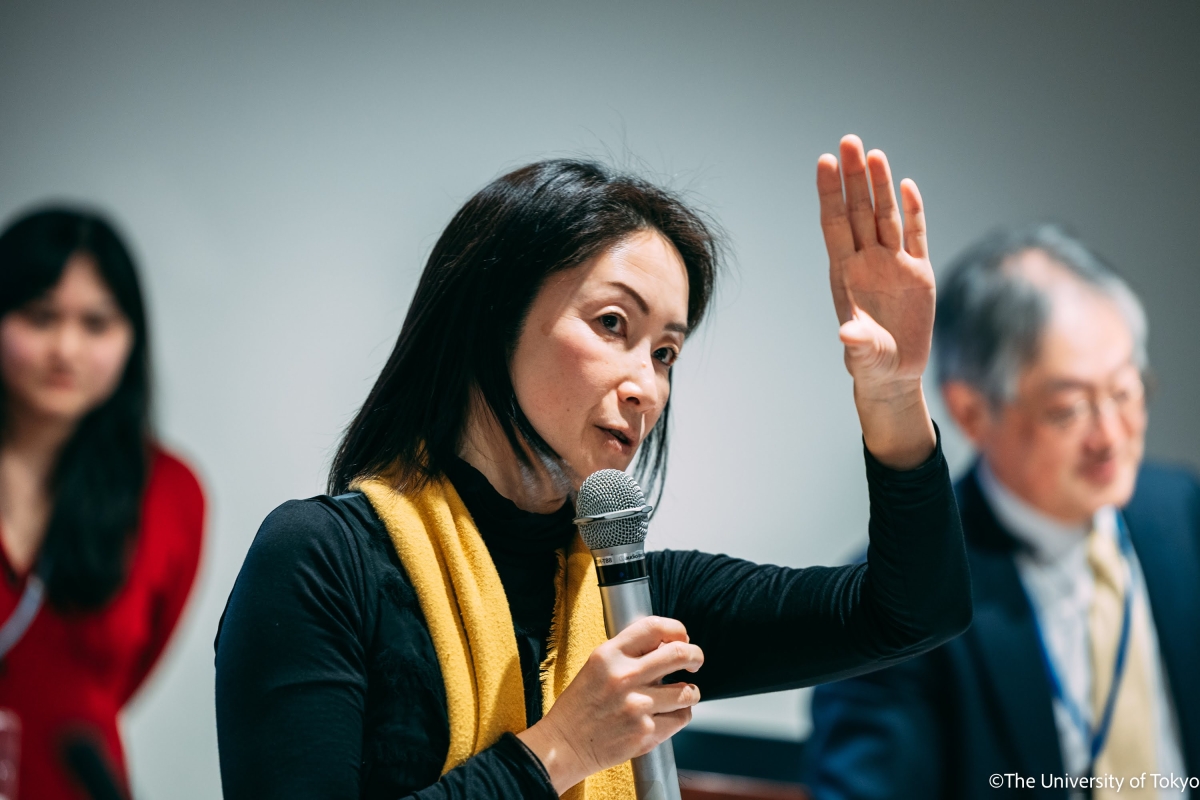
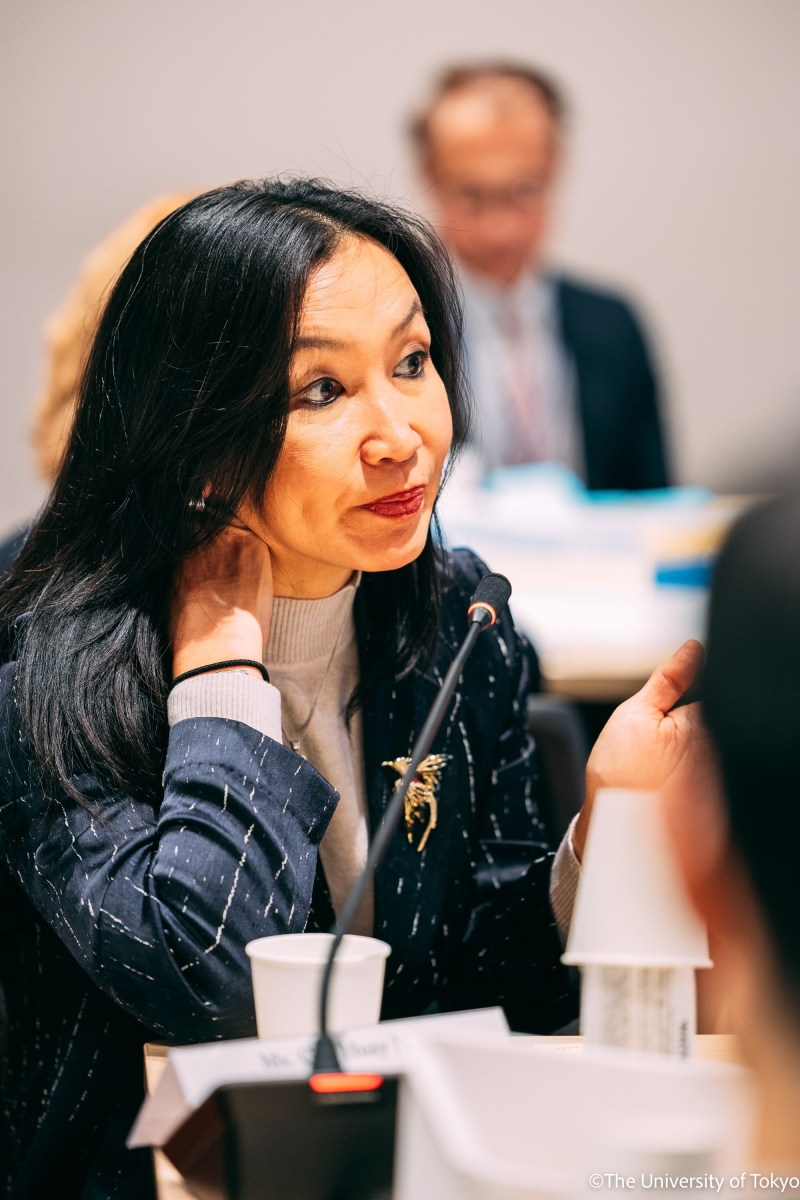
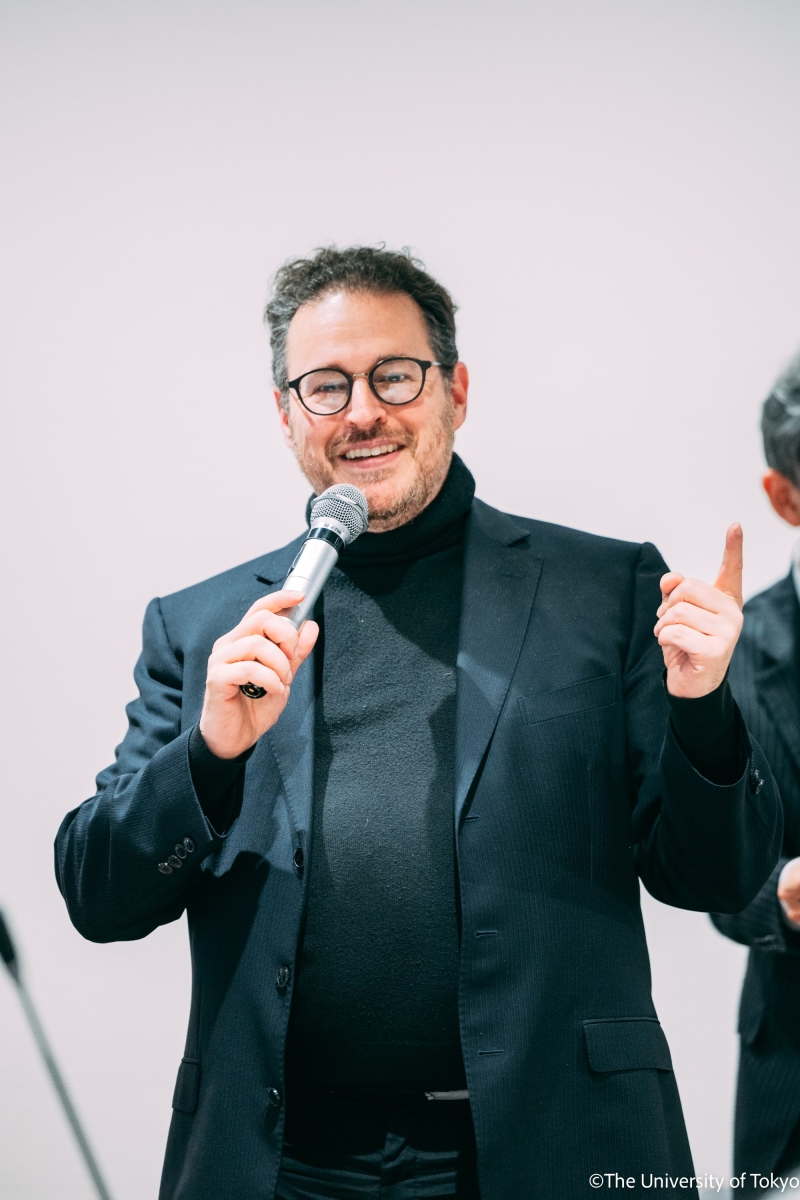
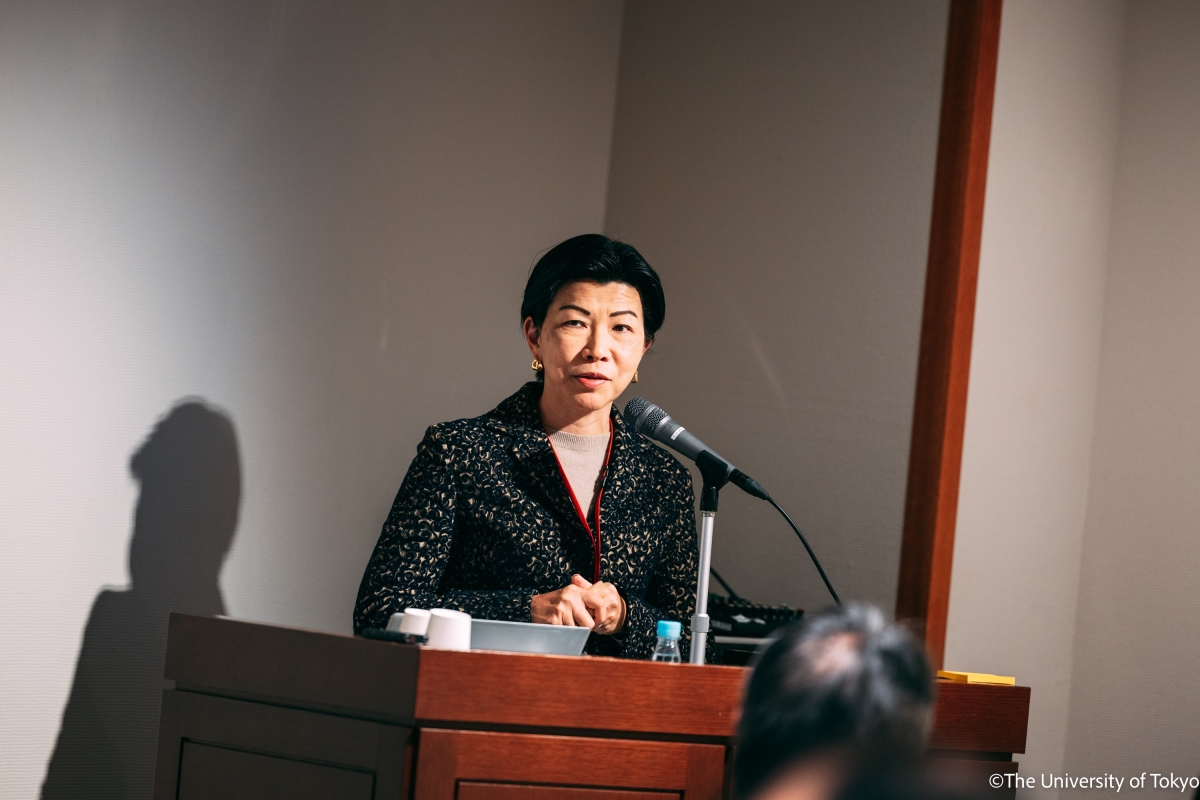
The program also included a progress‑report session on initiatives discussed at the 2024 Annual Meeting, as well as a dialogue session between GNB members and early‑career researchers. Following the meeting, a farewell reception was held at a campus restaurant.
GNB members emphasized that, with the coming academic year marking the final year of President Fujii’s term, the university should accelerate its ongoing reform efforts. They also encouraged the university to draw more actively on the diverse expertise of external partners—including GNB members themselves—to realize these ambitions. Many members expressed their strong willingness to provide continued support and suggested that opportunities for engagement be offered multiple times throughout the year.
Throughout the meeting, GNB members offered high praise and strong support for the university’s ongoing transformation efforts. They also underscored the importance of steadily implementing initiatives and communicating progress in a clear, accessible manner, as well as maintaining long‑term momentum for institutional change.
Building on the insights and discussions shared by GNB members, the university will further advance its efforts so that they lead to more concrete outcomes in the future.